Water emergencies don’t end when the water stops flowing. Whether you’re dealing with a burst pipe, a washing machine overflow, or flooding from a storm, the hours and days after the initial incident are when some of the most serious damage actually takes hold. Understanding what secondary damage is and how to get ahead of it can mean the difference between a manageable repair bill and a full-scale restoration project.
What Is Secondary Damage?
Secondary damage refers to any harm that occurs as a result of a water event, rather than from the water intrusion itself. The flood or leak is the primary event. Everything that follows – mold growth, warped floors, deteriorating drywall, corroded fixtures, compromised structural components – falls under secondary damage.
A straightforward example: a pipe bursts in your kitchen. The water soaks into the subfloor, behind baseboards, and into the lower portions of your drywall. You clean up the standing water with towels, think the job is done, and move on. Two weeks later, you notice a musty smell and dark spots creeping up your wall. That’s secondary damage – and it’s entirely preventable with the right response.
Why Secondary Damage Spreads So Quickly
Water is deceptively mobile. It moves through porous materials – drywall, insulation, wood framing, carpet padding – at a rate most homeowners underestimate. Within the first hour of a water emergency, water can travel to areas far beyond the visible wet zone.
Here’s what makes secondary damage particularly stubborn:
- Moisture hides inside walls and under floors where it isn’t visible
- Humidity from wet materials spreads to dry areas, affecting belongings and finishes
- Mold can begin developing within 24 to 48 hours in damp conditions
- Temperature and poor ventilation accelerate microbial growth
- Delayed response allows water to degrade structural materials faster
This is why the standard for professional water damage restoration is to begin mitigation within hours, not days.
Immediate Actions After a Water Emergency
The first 30 minutes matter more than most people realize. If you can act quickly, you give yourself a real fighting chance against secondary damage.
Stop the Water Source
If the water is coming from a plumbing failure, turn off the main water supply immediately. For appliance leaks, disconnect the unit if it’s safe to do so. The sooner water stops entering the space, the less you’ll have to manage. If a burst pipe is the culprit, pipe burst restoration should be one of your first calls – stopping the source and assessing structural impact go hand in hand.
Cut Power to Affected Areas
Water and electricity are a dangerous combination. Before entering a flooded room, turn off the circuit breaker for that area. If the electrical panel itself is in a flooded zone, don’t attempt to access it yourself. A professional electrical safety check is worth scheduling before any restoration work begins in heavily affected areas.
Remove Standing Water Manually
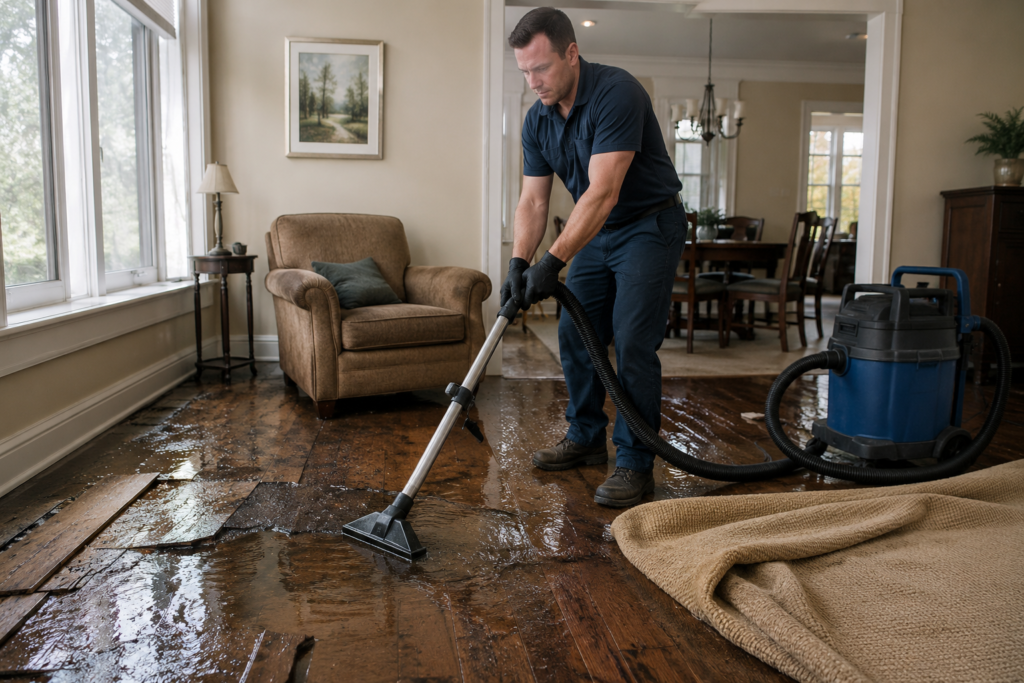
Use mops, wet/dry vacuums, and absorbent towels to remove as much surface water as possible. Open windows and doors if outdoor humidity is lower than indoor humidity. Move portable fans into the room to get air circulating. These are stopgap measures – helpful, but not a substitute for professional equipment when the damage is significant.
Water Extraction – Getting the Water Out Completely
Surface water is only part of the problem. Moisture absorbed into materials is the real enemy. Professional-grade water extraction uses powerful equipment that pulls water from carpet, padding, and semi-porous flooring materials that a household shop vac simply can’t reach.
If you’re dealing with anything more than a minor spill – say, a burst pipe that flooded a bathroom for several hours – calling in emergency water extraction early is one of the most important decisions you can make. The equipment used by trained restoration crews removes far more moisture than consumer tools, which dramatically reduces drying time and mold risk.
Professional technicians also use moisture detection services to assess hidden saturation before and after extraction – confirming that trapped water has actually been removed, not just the surface water you can see.
Structural Drying – The Step Most Homeowners Skip
Even after all standing water is removed, the materials in your home are still saturated. Structural drying is the process of reducing moisture content in building materials back to normal, stable levels. This requires more than open windows and household fans.
Professional structural drying uses a combination of:
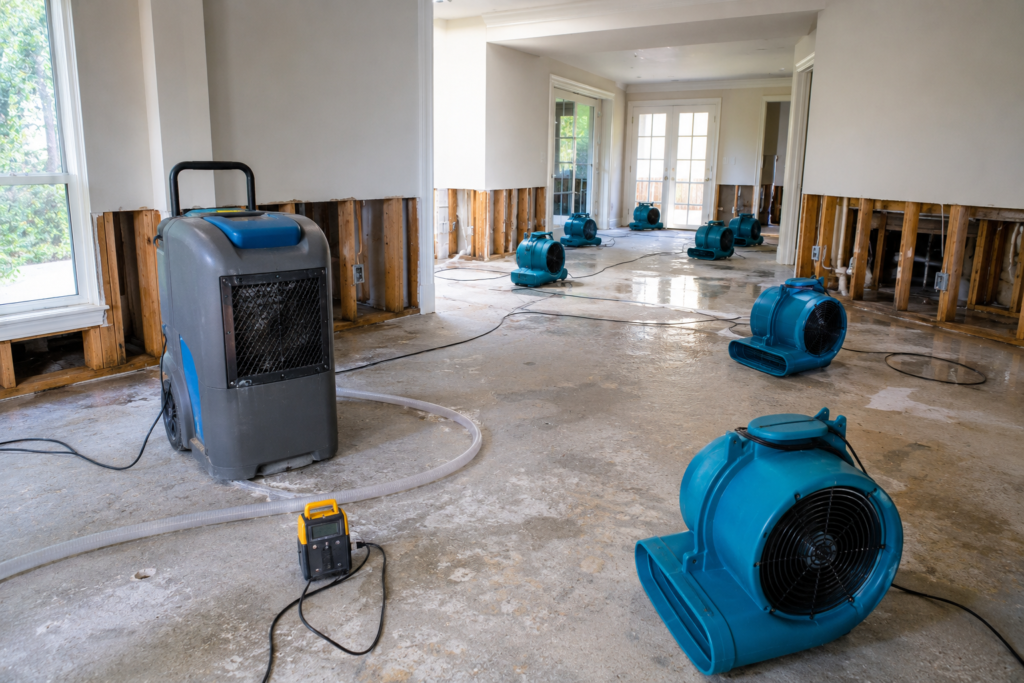
- Industrial air movers positioned to create a vortex of airflow across wet surfaces
- Commercial dehumidifiers that remove moisture vapor from the air
- Drying mats for hardwood floors to pull moisture from below
- Moisture mapping to track progress over multiple days
Drying typically takes three to five days under professional equipment, and longer for materials like concrete slabs or multilayer flooring assemblies. The structural drying process used by certified technicians follows IICRC standards, which exist specifically to prevent the kind of incomplete drying that leads to hidden mold and long-term structural problems.
For homeowners looking to understand how these protocols work in practice across different regions, Rockford IL Water Damage is a solid regional reference that documents real residential drying projects from start to finish.
Mold Prevention – Acting Before It Starts
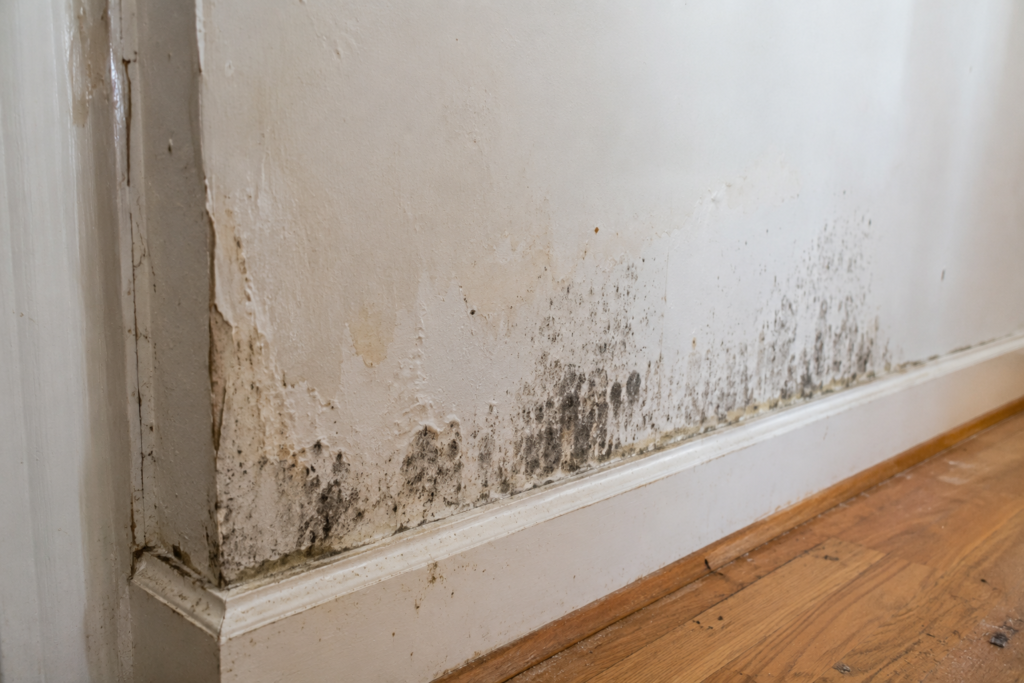
Mold is the most talked-about secondary damage concern, and for good reason. It can begin colonizing damp materials within 24 to 48 hours, and once it takes hold, remediation becomes significantly more involved and expensive.
The EPA mold prevention guidance is clear on this point: the key to mold control is moisture control. There is no practical way to eliminate mold spores from a home – they exist naturally in the air – but you can eliminate the conditions that allow them to grow.
Practical steps to prevent mold after a water emergency:
- Extract all standing water as quickly as possible
- Begin structural drying immediately
- Remove wet carpets, padding, and porous materials that cannot be dried within 48 hours
- Apply antimicrobial treatment to affected surfaces when appropriate
- Monitor humidity levels until they return to a normal range, typically 30 to 50 percent
If you suspect mold has already started, mold inspection and removal should not be deferred. Disturbing mold without proper containment can spread spores to unaffected areas and compound the problem significantly.
Protecting Drywall, Flooring, Furniture, and Belongings
Different materials respond to water damage in very different ways, and knowing how to prioritize can save you significant money.
Drywall
Standard drywall absorbs water like a sponge and loses structural integrity quickly. Wet drywall that isn’t dried within 48 to 72 hours typically needs to be removed and replaced. In many cases, restoration crews will cut out the bottom 12 to 18 inches of drywall in a flooded room – sometimes called flood cuts – to allow wall cavities to dry properly. Wall cavity drying is a targeted technique that addresses moisture trapped inside walls before it causes internal rot or mold growth. Drywall removal and replacement becomes necessary when saturation has gone on too long for in-place drying to be viable.
Flooring
Hardwood floors can sometimes be saved if drying begins quickly, but they’re prone to warping and cupping when moisture is trapped underneath. Hardwood floor restoration is possible in many cases, but only when the response is fast and drying equipment is deployed correctly. Laminate flooring almost always needs full replacement after significant water exposure. Tile is more resilient, but the subfloor beneath it is not – don’t assume tile means no damage.
For carpeted areas, carpet water removal should happen as soon as possible. Wet carpet padding is one of the fastest breeding grounds for mold in a residential setting.
Furniture and Belongings
Move furniture out of wet areas immediately. Items with solid wood frames can often be dried and saved if addressed early. Upholstered furniture that has been saturated typically cannot be fully dried in place – upholstery cleaning and drying services exist precisely for this situation, and professional treatment often saves pieces that would otherwise be discarded. Important documents and electronics should be moved to a dry area right away. Electronics should not be powered on until professionally assessed – electronics drying and repair can salvage more than most homeowners expect when handled quickly.
Insurance Documentation – Do This Before You Clean Up
One of the most common mistakes homeowners make after a water emergency is cleaning up too quickly without documenting the damage first.
Before moving anything:
- Take photos and videos of all affected areas from multiple angles
- Photograph damaged items in place, before removal
- Note the time and date of discovery
- Make a written inventory of damaged belongings with approximate values
- Save damaged materials your adjuster may want to inspect
Contact your insurance provider as soon as possible. Many policies have time-sensitive reporting requirements, and delays can complicate your claim. If navigating the claims process feels overwhelming, insurance claim assistance is a service that helps homeowners document losses properly and communicate effectively with their carrier throughout the process.
When to Call Professionals
Some water events are small enough to manage on your own – a slow drip caught early, a minor appliance spill on a hard floor. But for most significant water emergencies, professional restoration services are the faster and safer choice.
Call a professional when:
- More than one room is affected
- Water has been sitting for more than a few hours
- You can smell a musty or earthy odor
- Water came from a contaminated source such as a backed-up drain or sewer
- The damage involves structural materials like subflooring or wall framing
Sewage-related events carry added health risks and should never be treated as standard water cleanup. Sewage backup cleanup requires specialized protective equipment, proper disposal protocols, and full disinfection – it’s not a job for household cleaning products.
If you’re unsure about the extent of the damage, a flood damage assessment gives you a clear picture of what you’re dealing with before committing to a restoration plan.
The most important thing to understand is this: secondary damage is not inevitable. It’s the predictable result of delayed or incomplete response. With fast action, proper extraction, and professional drying, most homes can be returned to their original condition without lasting damage.
If you’ve experienced a water emergency in Gig Harbor or the surrounding areas and need guidance on next steps, the team at Water Damage Restoration Gig Harbor is available 24 hours a day. Reach them at (253) 247-4517 or visit the contact page to request a free assessment.
Leave a Reply